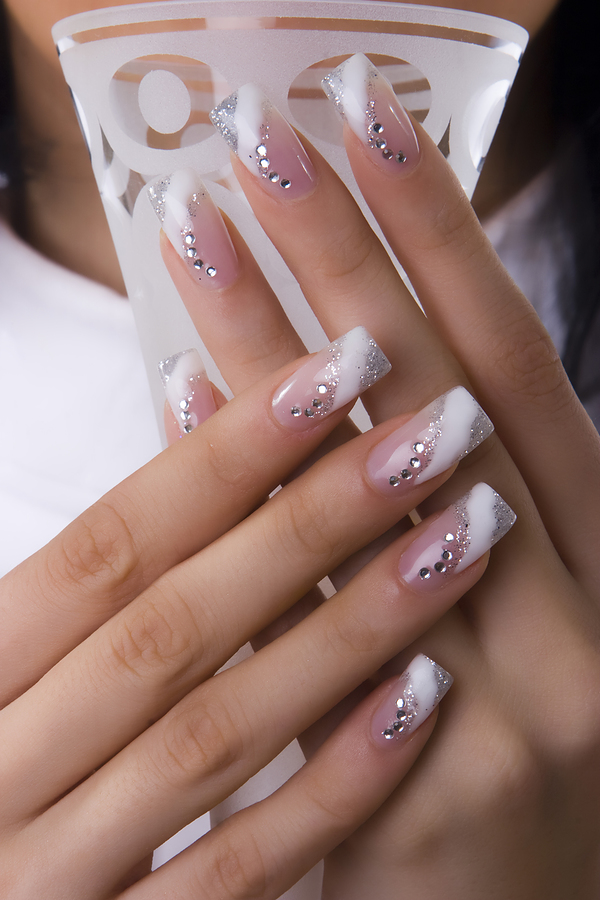
Creative Nail Design: Top Trends & Artistry
Lead: Once considered a simple accent, nail design has transformed into a sophisticated art form, capturing the attention of beauty enthusiasts and industry professionals alike. What began as basic polish applications has blossomed into a vibrant realm of intricate artistry, self-expression, and cutting-edge techniques. This article delves into the dynamic landscape of nail design, examining its cultural significance, the driving forces behind its surging popularity, and how individuals can engage with this captivating trend.
What Is Nail Design?
Nail design refers to the artistic modification and embellishment of fingernails and toenails. It encompasses a broad spectrum of techniques, from the application of basic colored polishes to complex, three-dimensional sculptural work. At its core, nail design transforms the nail plate into a miniature canvas, allowing for personalized aesthetic statements.
Key components and techniques in modern nail design include:
- Traditional Polish: The classic method using air-drying lacquer.
- Gel Polish: A longer-lasting option cured under UV or LED light, known for its chip resistance and high shine.
- Acrylics and Hard Gels: Used for creating extensions, strengthening natural nails, and sculpting elaborate shapes.
- Nail Art: This category is expansive, featuring hand-painted designs, stamping, decals, foils, glitter, rhinestones, charms, and encapsulated objects.
- 3D Nail Art: Involves sculpting designs directly onto the nail using specialized gels or acrylics, creating raised, tactile elements.
The practice marries creativity with precision, often requiring specialized tools and a deep understanding of nail anatomy and product chemistry.
Why Nail Design Is Trending
The burgeoning popularity of nail design can be attributed to a confluence of social, cultural, and technological factors. Social media platforms, particularly Instagram and TikTok, have played a pivotal role, turning intricate nail art into highly shareable visual content. Influencers and celebrities frequently showcase elaborate designs, inspiring millions and setting new trends almost daily.
Beyond digital visibility, nail design serves as a powerful medium for personal expression. In an era where individuality is celebrated, customized nails allow for a unique extension of personal style, reflecting mood, fashion choices, or even political statements. The accessibility of professional nail services, coupled with the proliferation of DIY kits and tutorials, has also democratized the art form, making it achievable for a wider audience.
Furthermore, innovation within the beauty industry continually introduces new products, tools, and techniques, pushing the boundaries of what is possible on such a small scale. This constant evolution keeps the field fresh and exciting, attracting both artists and consumers.
Dates, Locations, or Key Details
The history of nail adornment stretches back millennia, with evidence of polished nails found in ancient civilizations from Babylon to Egypt, signifying status and beauty. However, the modern surge in sophisticated nail design truly gained momentum in the late 20th and early 21st centuries. The 1970s and 80s saw the rise of acrylic extensions, while the 1990s introduced a broader palette of colors.
The current era of intricate nail art, often referred to as a renaissance, began to flourish around the early 2010s. Key geographical hubs for innovation include:
- East Asia: Particularly South Korea and Japan, known for pioneering intricate, kawaii (cute) designs, innovative gel techniques, and 3D embellishments.
- United States: Major cities like New York and Los Angeles are epicenters for celebrity nail artists, high-fashion collaborations, and avant-garde styles.
- Europe: Paris and London often dictate trends in elegance and high-end, minimalist designs.
Annual beauty expos, such as Cosmoprof North America and Premiere Orlando, serve as vital venues where new products are launched, techniques are demonstrated, and professional artists showcase their latest creations, further driving the industry forward.
How To Get Involved or Access Nail Design
Engaging with the world of nail design offers options for every level of interest and skill. Individuals can choose from professional services, explore DIY approaches, or pursue educational pathways to refine their artistry.
For those seeking professional services:
- Research Reputable Salons: Look for establishments with licensed technicians, strong hygiene practices, and positive reviews.
- Consult with a Nail Artist: Discuss desired designs, budget, and maintenance expectations. Many artists specialize in particular styles.
- Book Appointments: Intricate designs often require more time, so booking in advance is advisable.
For individuals interested in a do-it-yourself (DIY) approach:
- Invest in Basic Tools: Essential items include quality polishes, nail art brushes, dotting tools, and proper top/base coats.
- Explore Online Tutorials: Platforms like YouTube and Instagram offer countless step-by-step guides for various designs.
- Practice Regularly: Mastering nail art takes time and patience, starting with simpler designs before advancing to more complex ones.
For aspiring professionals or those seeking deeper expertise:
- Enroll in Cosmetology Programs: Many beauty schools offer dedicated nail technician courses.
- Attend Workshops and Seminars: Industry experts frequently host specialized classes for advanced techniques.
- Network with Other Artists: Joining online communities or attending local meet-ups can foster growth and collaboration.
What To Expect
- Endless Creativity: Nail design offers unparalleled opportunities for personal expression, with designs ranging from subtle elegance to bold, artistic statements.
- Attention to Detail: Expect professional nail artists to work with precision, ensuring clean lines, even application, and durable results.
- Varying Costs: Prices for nail design services fluctuate significantly based on the complexity of the design, the salon's reputation, and the artist's experience.
- Maintenance Requirements: Depending on the technique (e.g., gel, acrylic), regular fill-ins or touch-ups are necessary to maintain the design's integrity and appearance.
- Personalized Experience: A good nail artist will collaborate with the client, ensuring the final design aligns with individual preferences and lifestyle.
The Broader Impact of Nail Design
The influence of nail design extends far beyond the realm of personal grooming. It has cemented its position as a significant force in the fashion and beauty industries, impacting trends, driving product innovation, and fostering a global community of artists and enthusiasts. Nail art frequently appears on fashion runways, complementing designer collections and sometimes even dictating the season's aesthetic. This visibility elevates its status from a mere accessory to an integral component of personal styling.
Culturally, intricate nail designs have become symbols of empowerment and self-care. They represent a conscious decision to invest in one's appearance and mental well-being, transforming a routine beauty task into a mindful ritual. Economically, the industry supports a vast network of salons, product manufacturers, educators, and independent artists, contributing substantially to the beauty market's growth.
Nail design has transcended mere beautification to become a legitimate form of artistic expression, reflecting personal style and broader cultural narratives, transforming the beauty landscape with its vibrant creativity, remarked a leading beauty industry analyst.
Economic or Social Insights
The global nail care market, which includes products and services related to nail design, continues to demonstrate robust growth. Reports from market intelligence firms suggest the sector is valued in the tens of billions of dollars globally, propelled by factors such as increasing consumer spending on personal grooming, rising fashion consciousness, and the continuous introduction of innovative products. The U.S. market, in particular, is a significant contributor, with a high demand for professional salon services and premium nail care products.
Socially, the growth of the independent nail artist movement highlights a shift towards specialized, highly skilled professionals. These artists often cultivate significant online followings, establishing their personal brands and dictating trends. This entrepreneurial spirit within the niche demonstrates the economic viability and creative opportunities present in the field, as noted by publications tracking beauty business trends like Beauty Independent and WWD.
Frequently Asked Questions About Nail Design
- What is nail design? Nail design encompasses the artistic application of various materials and techniques to enhance and decorate fingernails and toenails. It ranges from simple polish to complex, multi-layered art using gels, acrylics, and embellishments, serving as a canvas for personal style and creativity.
- Why is nail design popular? Its popularity stems from its role as a powerful form of self-expression, amplified by social media visibility and celebrity influence. The continuous innovation in products and techniques, along with its accessibility through both professional salons and DIY options, makes it an appealing trend for many.
- How can people participate or experience it? Individuals can access nail design through professional salon services, where licensed technicians create custom art. Alternatively, they can explore DIY kits and online tutorials to experiment with designs at home. Learning courses are also available for those wishing to develop professional skills.
- Is it legitimate or official? Yes, professional nail design is a legitimate and often highly skilled beauty service. Many countries and states require nail technicians to be licensed, having completed accredited training programs that cover nail anatomy, sanitation, and various application techniques, ensuring safety and quality.
- What can attendees or users expect? Clients can expect a personalized beauty experience resulting in aesthetically enhanced nails, tailored to their preferences. The level of detail and durability will depend on the chosen technique and artist, with professional services typically offering longer-lasting and more intricate results.
Conclusion
Nail design stands as a testament to the enduring human desire for aesthetic expression and personal adornment. From its ancient origins to its contemporary status as a global phenomenon, it continues to evolve, pushing the boundaries of creativity and technical skill. Its impact on fashion, beauty culture, and individual identity underscores its significance, making it far more than just a fleeting trend. As an accessible yet sophisticated art form, nail design invites exploration, offering a unique canvas for every individual.
Call to Action: Explore the latest trends on social media, consult with a local nail artist, or consider a workshop to delve deeper into the intricate world of nail design and discover a new dimension of personal style.