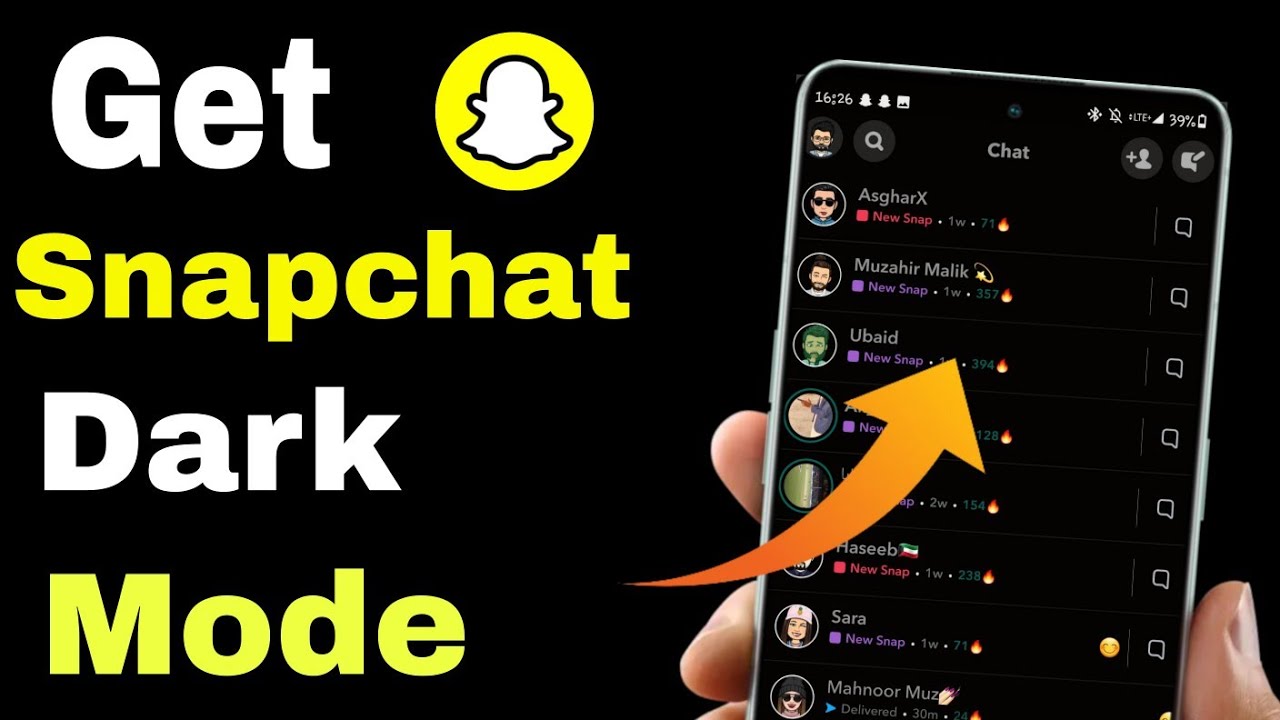
Easy Steps: How To Change Snapchat To Dark Mode Quickly
Lead: In an increasingly digital world, screen time has become an integral part of daily life, leading many to seek features that enhance comfort and reduce eye strain. One such highly sought-after customization is the ability to activate dark mode across popular applications. For users navigating the vibrant world of Snapchat, understanding how to change Snapchat to dark mode offers significant benefits, ranging from improved visual comfort in low-light environments to potential battery savings. This guide explores the straightforward process of enabling dark mode within the Snapchat application, providing a detailed walkthrough for a more personalized and pleasant user experience.
What Is How To Change Snapchat To Dark Mode?
The phrase "how to change Snapchat to dark mode" refers to the process of altering the application's visual interface from its default light theme to a darker color scheme. Dark mode, also known as night mode or dark theme, replaces bright backgrounds with darker shades, typically dark gray or black, while adjusting text and other elements to lighter colors for contrast. This design choice aims to:
- Reduce emitted blue light, which can disrupt sleep patterns.
- Lessen eye strain, particularly during extended usage or in dimly lit surroundings.
- Potentially conserve battery life on devices with OLED screens, as black pixels require less power.
- Offer a sleek, aesthetically pleasing alternative to the traditional bright interface.
For Snapchat, enabling dark mode transforms the entire app environment, from story feeds to chat windows, into a darker palette, providing a consistent visual experience that aligns with user preferences for a less intense display.
Why How To Change Snapchat To Dark Mode Is Trending
The popularity of dark mode across various digital platforms reflects a broader trend in user interface design driven by both functional benefits and aesthetic appeal. The demand for how to change Snapchat to dark mode specifically highlights the app's large user base and their desire for features that enhance usability. As smartphones become more integrated into daily routines, users spend significant hours interacting with screens. This prolonged exposure has amplified concerns regarding eye health and digital fatigue, making dark mode a crucial feature for many. Furthermore, the sleek, modern look of dark themes resonates with contemporary design sensibilities, attracting users who appreciate a more subdued and sophisticated aesthetic for their apps. The consistent rollout of dark mode by major tech companies across operating systems and popular applications further solidifies its status as a trending and expected feature.
Dates, Locations, or Key Details
Snapchat officially began rolling out its dark mode feature, often referred to as "Match System" or "Always Dark," starting with iOS devices. The availability for iPhone users generally predated its widespread release on Android devices. While the exact date of its global rollout can vary by region and device, iOS users typically gained access to the feature in late 2020 or early 2021, with Android users following later. The implementation of dark mode within Snapchat is managed directly through the app's settings, ensuring it is an official and fully supported feature rather than a third-party modification. This integration means users do not need to rely on system-wide dark mode settings to apply the theme solely to Snapchat, although the app does offer an option to match the device's system settings.
How To Get Involved or Access How To Change Snapchat To Dark Mode
Enabling dark mode on Snapchat is a straightforward process available directly within the application's settings. The steps may vary slightly between iOS and Android devices, but the core functionality remains consistent. Follow these instructions to activate dark mode:
- Open the Snapchat App: Launch Snapchat on the mobile device.
- Access Your Profile: Tap on the Bitmoji icon or profile picture located in the top-left corner of the screen.
- Navigate to Settings: Tap the gear icon (Settings) in the top-right corner of the profile screen.
- Find App Appearance: Scroll down the Settings menu until the "App Appearance" option is located. (On some Android devices, this might be under "My Account" or similar section before "App Appearance" is visible).
- Choose Your Theme: Within "App Appearance," several options will typically be presented:
- Match System: This option allows Snapchat to automatically adjust its theme to match the device's system-wide dark mode setting. If the phone is set to dark mode, Snapchat will follow suit.
- Always Light: This keeps the app in its traditional light theme, regardless of system settings.
- Always Dark: This forces Snapchat to remain in dark mode at all times, overriding system settings if desired.
- Select "Always Dark": To ensure Snapchat is always in dark mode, select "Always Dark." Alternatively, choose "Match System" if the device's overall dark mode preference is preferred.
- Confirm Changes: The app's appearance should immediately switch to the selected theme. No restart is usually required.
If the "App Appearance" option is not visible, ensure the Snapchat application is updated to the latest version available through the device's app store.
What To Expect
- Visual Transformation: The entire Snapchat interface, including chat backgrounds, story previews, and menu elements, will transition to a darker color scheme.
- Reduced Glare: Users can anticipate a noticeable reduction in screen glare, making the app more comfortable to use in dim lighting or at night.
- Enhanced Focus: With less bright white light, some users report an improved ability to focus on content, as the darker background can make text and images pop.
- Potential Battery Savings: On devices with OLED screens, black pixels are essentially turned off, which can lead to marginal improvements in battery life over extended periods.
- Aesthetic Preference: For many, the primary benefit is simply the preference for a darker, sleeker look that aligns with modern app design trends.
The Broader Impact of How To Change Snapchat To Dark Mode
The integration of dark mode into popular platforms like Snapchat signifies a broader industry shift towards user-centric design that prioritizes comfort, accessibility, and personalization. This feature addresses widespread user feedback concerning eye strain and the desire for more control over visual experiences. The prevalence of dark mode encourages users to engage with apps for longer durations without discomfort, potentially leading to increased engagement rates. From an accessibility standpoint, dark mode can benefit individuals with light sensitivity or certain visual impairments by reducing screen brightness and glare. Major digital media outlets, recognizing the trend, frequently cover the rollout of dark mode across various applications, underscoring its importance in the competitive tech landscape.
The shift to dark mode isn't just a design fad; it's a practical evolution in user experience, acknowledging how people interact with their devices for hours each day. Its about making technology work better for human eyes.
Economic or Social Insights
The inclusion of features like dark mode, while seemingly minor, plays a role in user retention and satisfaction, critical metrics for any digital platform. Apps that offer customizable interfaces, including dark mode, tend to be perceived as more modern and responsive to user needs, fostering greater loyalty. This focus on user comfort indirectly contributes to the "attention economy" by making prolonged app usage more palatable. While direct economic impacts are hard to quantify solely from dark mode, features that enhance user experience can influence advertising effectiveness by keeping users engaged longer. Publications like TechCrunch and The Verge frequently analyze how such feature updates contribute to a platform's overall value proposition and competitive edge.
Frequently Asked Questions About How To Change Snapchat To Dark Mode
- What is how to change Snapchat to dark mode? This refers to the process of modifying the Snapchat application's visual theme from its standard light interface to a darker color scheme, typically featuring dark backgrounds and lighter text, aimed at improving visual comfort and aesthetics.
- Why is how to change Snapchat to dark mode popular? Dark mode is popular for several reasons: it reduces eye strain, especially in low-light conditions; it can contribute to better battery efficiency on OLED screens; and it offers a modern, sleek aesthetic that many users prefer.
- How can people participate or experience it? Users can activate dark mode directly through Snapchat's in-app settings under the "App Appearance" section, choosing between "Always Dark," "Always Light," or "Match System" preferences.
- Is it legitimate or official? Yes, the dark mode feature within Snapchat is an official and fully supported option provided by Snap Inc., integrated directly into the application's settings. It is not a third-party modification.
- What can attendees or users expect? Users can expect a complete visual overhaul of the app with reduced glare, a potentially more comfortable viewing experience, and a fresh, modern look for their Snapchat interface.
Conclusion
The ability to change Snapchat to dark mode represents more than just a cosmetic alteration; it's a significant enhancement to the user experience that addresses practical concerns like eye comfort and battery efficiency. As digital interactions continue to shape daily routines, the inclusion of such thoughtful features reinforces a platform's commitment to user well-being and personalization. Embracing dark mode offers a refreshing alternative to the default bright interface, providing a more subdued and sophisticated visual environment for sharing moments and connecting with friends.
Call to Action: Explore the enhanced visual comfort and modern aesthetic of Snapchat's dark mode by updating the application and navigating to your profile settings today. Experience a more personalized and comfortable way to snap!