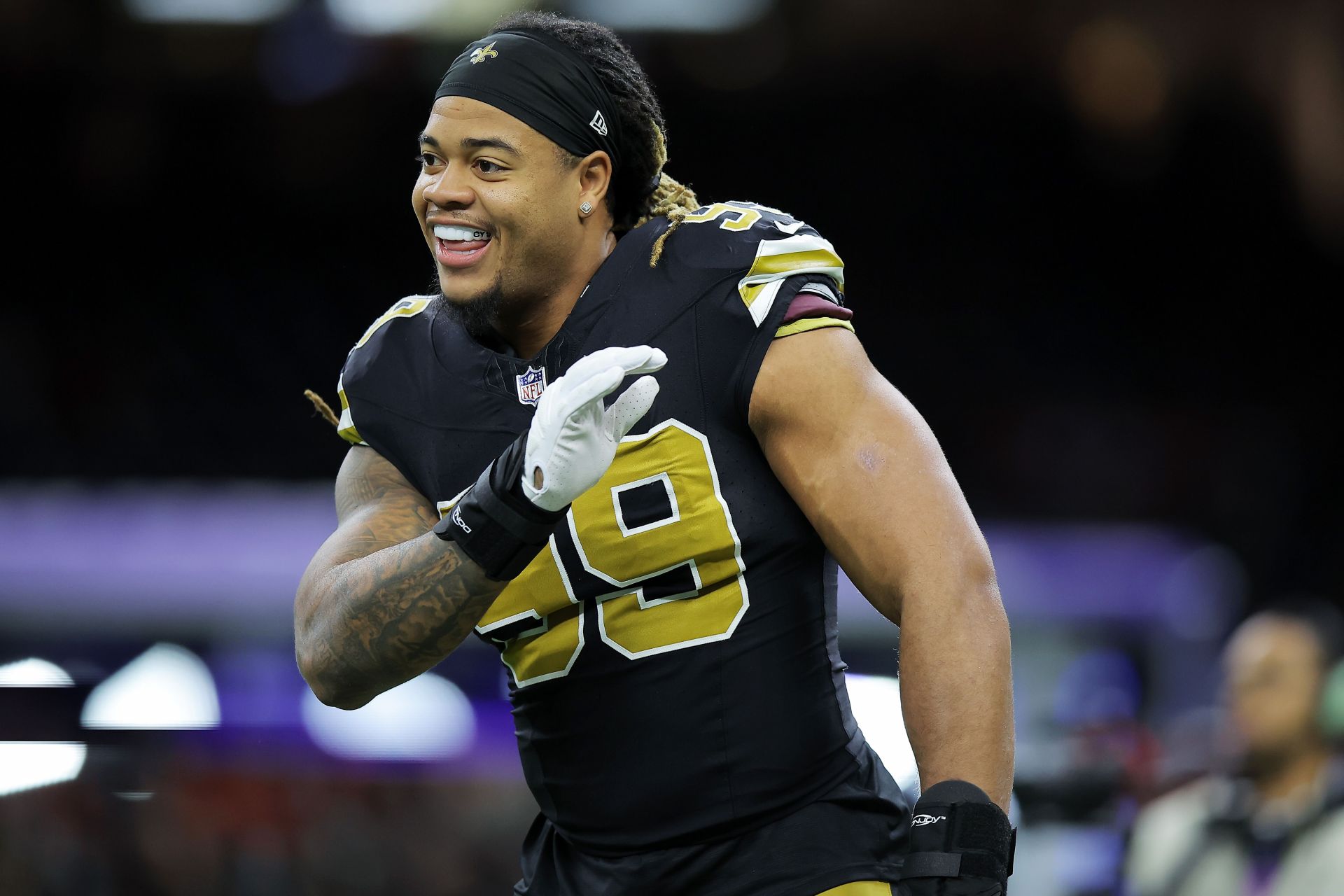
NFL Star Chase Young Career Earnings: A Breakdown
Lead: The financial trajectory of a top-tier NFL athlete like Chase Young offers a compelling look into the economics of professional sports. Examining Chase Young career earnings provides crucial context not only for his personal journey but also for understanding the intricate world of NFL contracts, player value, and market dynamics. This article explores the various components contributing to his accumulated wealth, from rookie deals and signing bonuses to potential future earnings, offering readers an insightful overview of how performance, draft status, and team changes shape a players financial landscape in the league.
What Is Chase Young Career Earnings?
Chase Young career earnings refer to the total income accumulated by the defensive end throughout his professional football career in the National Football League. This figure primarily comprises a combination of elements stipulated in his playing contracts. Unlike many other professions, NFL players' earnings are largely public record, dictated by collective bargaining agreements and specific team negotiations. Key components contributing to these earnings typically include:
- Signing Bonuses: Often a significant upfront payment given to a player upon signing a new contract, especially for high draft picks.
- Base Salaries: The guaranteed annual income a player receives for their services during the season.
- Roster Bonuses: Payments made for being on the active roster on specific dates throughout the year.
- Workout Bonuses: Incentives for participating in team-sanctioned offseason training programs.
- Performance Incentives: Additional earnings tied to achieving specific statistical benchmarks or team accomplishments.
For a player drafted as high as Young, the initial rookie contract often represents a substantial guaranteed sum, with subsequent contracts or extensions heavily influenced by on-field production and market demand.
Why Chase Young Career Earnings Is Trending
Interest in Chase Young career earnings has seen heightened attention due to several significant developments in his relatively young NFL career. Drafted second overall in the 2020 NFL Draft by the Washington Commanders, Young arrived with immense expectations and a lucrative rookie contract. His early success, followed by an injury-plagued period and subsequent trade to the San Francisco 49ers during the 2023 season, has kept his financial situation in the spotlight. The conversation around his contract status and potential for a long-term deal with a new team, or free agency, naturally brings his accumulated earnings into focus. Fans, analysts, and sports business enthusiasts are keen to track how his performance and market value translate into financial compensation, especially as he navigates pivotal contract years and team transitions.
Dates, Locations, or Key Details
Chase Young's career earnings journey began significantly on April 23, 2020, when he was selected by the Washington Commanders as the second overall pick in the NFL Draft. His initial contract was a standard four-year, $34.56 million deal, fully guaranteed, including a $22.7 million signing bonus. This foundational agreement largely shaped his early career earnings. Major milestones influencing his financial standing include:
- 2020: Signed his rookie deal with the Washington Commanders.
- 2021: Suffered a season-ending ACL injury in November, impacting his on-field availability.
- 2023: The Commanders declined his fifth-year option for the 2024 season, signaling potential free agency.
- November 2023: Traded from the Washington Commanders to the San Francisco 49ers, completing the remaining portion of his rookie contract with a new team.
These key events, spanning from his draft in Las Vegas to his trade and ongoing play in San Francisco, underscore the dynamic nature of NFL player economics. Each move and contract decision plays a direct role in the progression of Chase Young career earnings.
How To Understand Chase Young Career Earnings
For those interested in tracking or understanding the specifics of Chase Young career earnings, several resources and approaches offer valuable insights. Navigating the complexities of NFL contracts requires familiarity with how player salaries are structured and publicly reported.
- Consult Specialized Sports Contract Databases: Websites like Spotrac.com and OverTheCap.com are primary sources for detailed NFL player contract information. These platforms break down earnings by year, show guaranteed money, bonuses, and potential incentives.
- Follow Major Sports Business News Outlets: Publications such as ESPN's NFL Nation reporters, NFL Network, and major sports sections of news organizations frequently report on player contracts, renegotiations, and trade implications, providing context to the raw numbers.
- Understand Contract Terminology: Familiarize oneself with terms like "guaranteed money," "signing bonus," "base salary," "roster bonus," and "cap hit" to fully grasp the financial implications of a player's deal.
- Monitor Player Performance: A player's on-field performance is directly correlated to their market value. By following Young's games and statistics, one can better anticipate future contract discussions and potential earning power.
What To Expect
- Transparency in Financial Reporting: Expect clear breakdowns of his contract values and annual earnings from reputable sports financial tracking sites.
- Fluctuations Based on Performance and Market: His future earnings will be heavily influenced by his on-field production, injury status, and the prevailing market rates for top defensive ends.
- Impact of Free Agency: As his rookie contract concludes, anticipation will grow around his next deal, whether it's an extension or a new contract with a different team, which will significantly alter his career earnings trajectory.
The Broader Impact of Chase Young Career Earnings
The accumulation of Chase Young career earnings holds significant implications beyond his personal finances, reflecting broader trends in the NFL's economic ecosystem. His journey exemplifies the financial rewards and risks associated with being a high draft pick. His initial fully guaranteed rookie deal showcases the security afforded to top prospects under the current Collective Bargaining Agreement, but the subsequent decision to decline his fifth-year option and trade underscores the NFL's performance-driven financial model. Such earnings influence the perceived value of defensive ends across the league, setting benchmarks for future contract negotiations for other players. Moreover, these earnings fuel an entire industry of agents, financial advisors, and endorsement opportunities that surround elite athletes.
Chase Youngs contract evolution is a textbook case of how a player's draft stock, on-field play, and unforeseen challenges like injuries directly translate into tens of millions of dollars, stated a prominent sports agent. His career earnings reflect not just talent, but the strategic financial decisions teams make under salary cap pressures.
Economic or Social Insights
Analyzing Chase Young career earnings provides a micro-economic snapshot of the NFL's vast financial landscape. His contracts illustrate the league's multi-billion-dollar enterprise, where even a single player can command substantial compensation. The guaranteed money in his rookie deal highlights the economic security provided to top draft picks, a stark contrast to the precarious nature of later-round selections or undrafted players. From a social perspective, his earnings represent the pinnacle of success in a highly competitive sport, offering a narrative of aspiration and achievement. Publications like Forbes and Sports Business Journal frequently analyze such player earnings as indicators of broader league health, franchise spending habits, and the evolving market for athletic talent.
Frequently Asked Questions About Chase Young Career Earnings
- What is Chase Young career earnings? Chase Young career earnings represent the total cumulative income he has received from his NFL playing contracts since being drafted in 2020. This includes signing bonuses, base salaries, and any performance-based incentives.
- Why is Chase Young career earnings popular? Interest in his earnings stems from his status as a high draft pick, his initial high expectations, his battle with injuries, and his recent trade, all of which draw attention to how his financial compensation aligns with his career trajectory.
- How can people understand or track it? Individuals can track Chase Young career earnings by consulting reliable sports financial databases like Spotrac or OverTheCap, and by following major sports news outlets that report on NFL contract details.
- Is the information about his earnings legitimate or official? Yes, the reported figures for NFL player contracts, especially for high-profile players, are widely considered legitimate. They are based on publicly available contract details often confirmed by team and league sources.
- What can observers expect from future Chase Young career earnings? Observers can expect his future earnings to be significantly influenced by his performance in upcoming seasons, his health, and his potential free agency, which could lead to a new, substantial contract.
Conclusion
The journey of Chase Young career earnings is a compelling narrative within the broader story of his NFL career. It underscores the immense financial rewards available to elite athletes while also highlighting the constant evaluation of performance, health, and market value in professional sports. From a top-two draft pick with a substantial rookie contract to navigating injuries and a mid-season trade, his financial path reflects the dynamic and often unpredictable nature of the NFL. Understanding these earnings provides valuable insight into the economics driving one of the world's most popular sports leagues.
Call to Action: To stay informed about Chase Youngs ongoing financial journey and other crucial NFL contract news, readers are encouraged to visit reputable sports financial tracking websites and follow verified sports media outlets for the latest updates on player salaries and market trends.