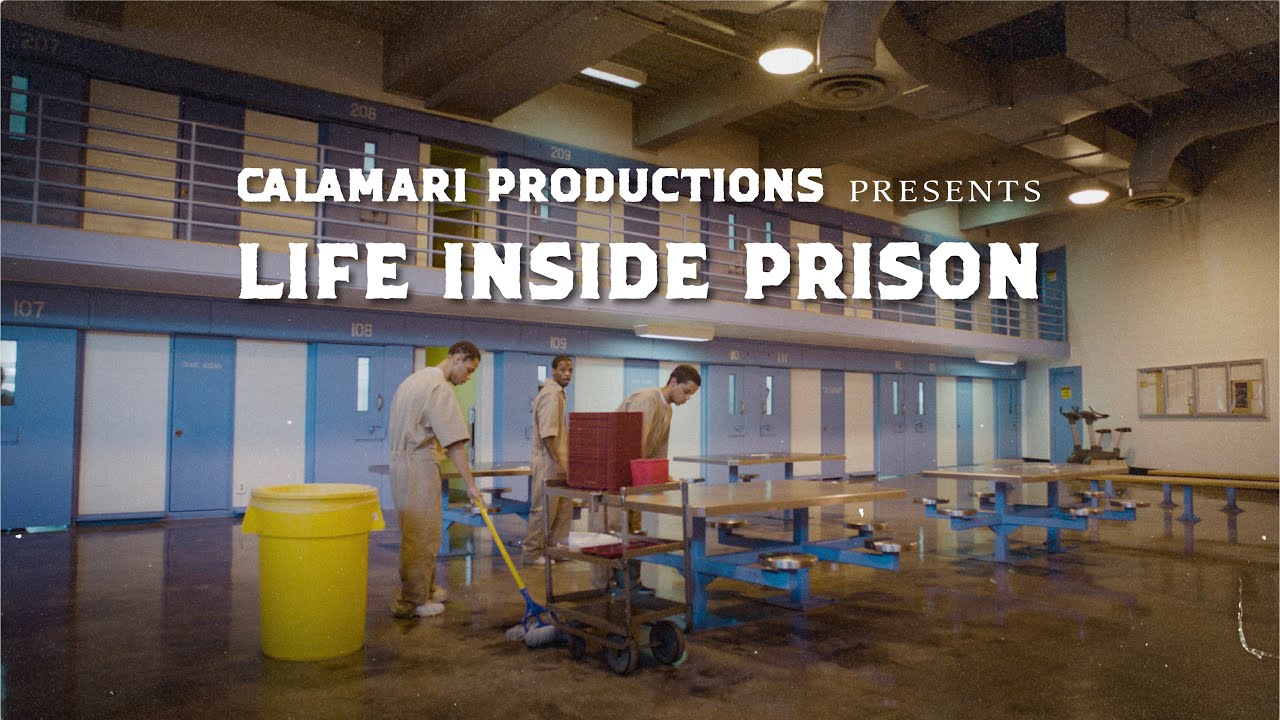
Inside Look Kentuckys Kool Inmates Prison Life
Lead: Public interest in the realities of incarceration and the human stories within correctional facilities remains consistently high. An "inside look at Kentucky's 'kool inmates' prison life" refers to a specific type of media focusdocumentaries, journalistic features, or expossthat delves into the unique experiences, subcultures, and individual narratives within Kentucky's prison system. These explorations often highlight inmates who, for various reasons, become focal points of public or media attention, offering a nuanced view beyond common stereotypes. This article will provide a comprehensive overview, shedding light on the nature of such content, its impact, and what readers can expect from these compelling narratives.
What Is An Inside Look at Kentucky's 'Kool Inmates' Prison Life?
The term "inside look at Kentucky's 'kool inmates' prison life" encapsulates media productions and journalistic endeavors aimed at providing an unvarnished view into the daily existence of prisoners within Kentucky's correctional institutions. While the phrase "kool inmates" might suggest a colloquial or even sensationalized angle, it typically refers to:
- Inmates with compelling personal stories, often relating to their past, rehabilitation journey, or unique talents discovered while incarcerated.
- Individuals participating in notable educational, vocational, or therapeutic programs designed to aid in their reintegration into society.
- Characters who become subjects of interest due to their charisma, insights, or significant influence within their respective prison populations, as depicted in media.
These "inside looks" serve to demystify prison life, offering perspectives on the challenges faced by both inmates and correctional staff, the pursuit of reform, and the human element often overlooked in broader discussions about criminal justice.
Why An Inside Look at Kentucky's 'Kool Inmates' Prison Life Is Trending
The growing interest in "inside look at Kentucky's 'kool inmates' prison life" stems from several interconnected factors. A broader societal trend towards understanding the complexities of the justice system, coupled with the popularity of true-crime narratives and human-interest documentaries, fuels this demand. Audiences are increasingly seeking authentic, behind-the-scenes glimpses that challenge preconceived notions about incarceration. Furthermore, a focus on rehabilitation success stories and the personal growth of individuals within the system resonates with a public increasingly concerned with social justice and effective reintegration strategies. The unique cultural tapestry of Kentucky, with its distinct history and community dynamics, also adds a specific regional flavor to these narratives, drawing attention to local efforts and challenges within its correctional facilities.
Key Details of Such Investigations and Features
An "inside look at Kentucky's 'kool inmates' prison life" is not a singular event but rather a category of content that manifests in various forms. These typically involve extensive research, interviews, and on-site reporting within Kentucky's state and federal correctional institutions. Key details often include:
- Locations: Features generally focus on specific facilities across Kentucky, such as the Kentucky State Penitentiary, Kentucky Correctional Institution for Women, or various state-run correctional complexes, each with its unique population and programs.
- Focus Areas: Common themes explored include rehabilitation initiatives (e.g., vocational training, education, therapy), inmate-led programs, the impact of incarceration on families, challenges of re-entry, and the daily routines and social structures within prison walls.
- Key Figures: While specific names might vary with each production, the "kool inmates" often represent individuals whose stories provide a window into larger systemic issues or demonstrate profound personal transformation.
- Timeframes: These investigations can span months or even years of reporting to capture the depth and evolution of prison life and individual journeys.
Such articles and documentaries serve as a guide for audiences to understand the human dimension of the justice system, moving beyond statistics to individual experiences.
How To Access Such Content and Learn More
For those interested in an "inside look at Kentucky's 'kool inmates' prison life," several avenues exist to engage with this type of content:
- Documentary Films and Series: Major streaming platforms and television networks frequently produce or license documentaries focusing on prison life and specific inmate stories. Searching for "Kentucky prison documentaries" can yield relevant results.
- Investigative Journalism: Reputable news organizations and digital media outlets often publish in-depth articles, photo essays, and multimedia features on criminal justice and prison reform in Kentucky.
- Books and Memoirs: Autobiographical accounts by former inmates or investigative books by journalists provide detailed narratives and insights into the Kentucky correctional system.
- Non-Profit Organizations: Advocacy groups focused on criminal justice reform in Kentucky often share stories and data, sometimes featuring personal testimonies or case studies.
- Official Correctional Websites: The Kentucky Department of Corrections website may provide information on rehabilitation programs and public-facing reports, offering a more institutional perspective.
What To Expect
- Raw and Authentic Narratives: Content typically provides unfiltered perspectives on the challenges, triumphs, and daily realities of individuals navigating incarceration.
- Insights into Rehabilitation Efforts: Many features highlight programs aimed at education, skill-building, and therapy, showcasing efforts to reduce recidivism.
- Exploration of Human Connection: Stories often delve into the dynamics between inmates, staff, and the outside world, revealing resilience and vulnerability.
- Contextual Understanding: Viewers can expect to gain a deeper appreciation for the systemic issues at play within the criminal justice system in Kentucky.
The Broader Impact of An Inside Look at Kentucky's 'Kool Inmates' Prison Life
The impact of providing an "inside look at Kentucky's 'kool inmates' prison life" extends beyond mere entertainment. These narratives play a crucial role in shaping public discourse around criminal justice reform, humanizing individuals often reduced to statistics, and highlighting the complexities of the penal system. By showcasing rehabilitation successes and the human cost of incarceration, such content can foster empathy, encourage policy discussions, and inspire support for programs that aim to improve outcomes for both incarcerated individuals and society. It contributes to a more informed citizenry capable of engaging meaningfully with topics like restorative justice and effective reintegration strategies.
By bringing these often-hidden stories to light, media investigations into prison life in Kentucky offer a vital mirror to society, reflecting our values and challenging us to reconsider what justice truly means beyond mere punishment, notes Dr. Evelyn Reed, a criminologist specializing in correctional studies.
Economic or Social Insights
The attention generated by "inside look at Kentucky's 'kool inmates' prison life" can have tangible economic and social effects. Socially, it can contribute to a reduction in stigma associated with former inmates, improving their chances for successful re-entry into the workforce and community. Economically, increased public awareness and support can lead to greater funding for effective rehabilitation programs, which, in turn, can reduce recidivism rates. Lower recidivism translates into fewer re-incarcerations, saving taxpayer money on correctional costs and potentially boosting local economies through the contributions of reintegrated citizens. These insights are often discussed in publications like The Marshall Project or local Kentucky news outlets covering justice issues.
Frequently Asked Questions About An Inside Look at Kentucky's 'Kool Inmates' Prison Life
- What is an inside look at Kentucky's 'kool inmates' prison life? It refers to media contentsuch as documentaries, investigative reports, or featuresthat explores the daily lives, personal stories, and unique aspects of individuals within Kentucky's correctional facilities, often focusing on those who gain particular public or media interest.
- Why is an inside look at Kentucky's 'kool inmates' prison life popular? Its popularity stems from a general public interest in human-interest stories, criminal justice, and behind-the-scenes looks at institutions. Audiences seek to understand the complexities of prison life, rehabilitation efforts, and the individual journeys of incarcerated people.
- How can people participate or experience it? People can "experience" or engage with this topic by watching documentaries, reading journalistic features, exploring memoirs, and following the work of advocacy groups focused on criminal justice in Kentucky. Direct participation in prison life is not what is implied.
- Is it legitimate or official? These "inside looks" are typically legitimate journalistic or documentary productions created by independent media outlets, often with permission from correctional authorities. They aim for factual accuracy and often include direct interviews and observations.
- What can attendees or users expect? Viewers and readers can expect compelling personal narratives, an examination of the challenges and opportunities within the correctional system, insights into rehabilitation programs, and a broader understanding of the human dimensions of incarceration in Kentucky.
Conclusion
An "inside look at Kentucky's 'kool inmates' prison life" represents a significant genre of media that seeks to illuminate the often-hidden realities of incarceration. By focusing on individual stories and the broader dynamics within Kentucky's correctional facilities, these narratives provide invaluable insights into human resilience, the challenges of reform, and the ongoing quest for justice. They serve as a powerful tool for education, empathy, and advocacy, urging audiences to consider the multifaceted nature of prison life and its profound impact on individuals and communities.
Call to Action: To delve deeper into these compelling narratives, explore documentaries available on major streaming platforms, seek out investigative reports from reputable news organizations covering criminal justice in Kentucky, and consider supporting non-profit organizations dedicated to rehabilitation and reform efforts within the state.