Ihss California Your Guide To In Home Supportive Services
Lead: In-Home Supportive Services (IHSS) in California stands as a critical lifeline for tens of thousands of residents, providing essential support that allows seniors and individuals with disabilities to live independently in their own homes. This comprehensive program not only upholds the dignity and autonomy of recipients but also represents a vital component of the state's healthcare and social safety net. This guide aims to demystify IHSS California, explaining its core functions, highlighting its significance, and detailing how eligible individuals can access these crucial services to foster independent living.
What Is IHSS California
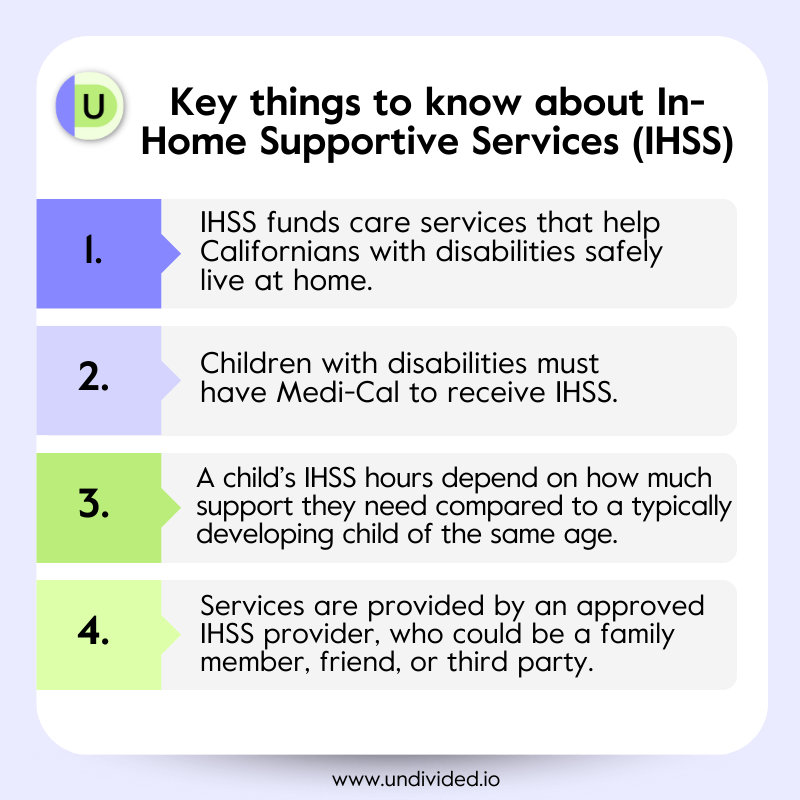
The In-Home Supportive Services (IHSS) program is a California state initiative designed to provide non-medical personal care and domestic services to eligible low-income elderly, blind, or disabled individuals. Its primary goal is to prevent premature institutionalization by helping recipients remain safely and independently in their own homes. Administered at the county level under the oversight of the California Department of Social Services (CDSS), IHSS is funded through a combination of federal Medicaid funds and state and local contributions.
Services provided by IHSS can vary based on individual need but typically include:
- Personal Care: Assistance with tasks such as bathing, dressing, grooming, and feeding.
- Domestic Services: Help with housecleaning, meal preparation, and laundry.
- Paramedical Services: Support with tasks typically performed by a nurse but delegated to a trained caregiver, like administering medications or wound care.
- Protective Supervision: Monitoring individuals who are mentally impaired and at risk of injury due to their condition.
- Accompaniment to Medical Appointments: Transportation and assistance during medical visits.
Eligibility for IHSS generally requires an individual to be a California resident, eligible for Medi-Cal, and have a verified need for in-home care to prevent institutionalization. A county social worker conducts an assessment to determine the type and number of hours of service an applicant requires.
Why IHSS California
The significance of IHSS California has continued to grow, making it a focal point in discussions around long-term care and social services. Several factors contribute to its increasing relevance and "trending" status. California's large and aging population necessitates robust support systems that allow seniors to age in place, a preference for many over nursing home facilities. Furthermore, advances in medical technology mean more individuals with disabilities can manage their conditions from home with appropriate assistance. The program also offers a cost-effective alternative to institutional care, which can be significantly more expensive for both individuals and the state.
The COVID-19 pandemic further underscored the critical role of in-home care, highlighting the risks associated with congregate living settings and amplifying the demand for services that support independent living. Advocacy groups and policymakers continually champion IHSS for its ability to enhance quality of life, promote independence, and empower individuals to direct their own care, often choosing family members or trusted friends as providers.
Dates, Locations, or Key Details
IHSS operates continuously across all 58 counties in California, making it a statewide program accessible to eligible residents regardless of their specific location. While the programs core framework is established at the state level by the California Department of Social Services (CDSS), its day-to-day administration, including application processing, needs assessments, and caregiver enrollment, is handled by each county's social services agency.
Key operational details include:
- Program Oversight: CDSS sets statewide policies and guidelines.
- Local Administration: County social services departments are the primary point of contact for applicants and recipients.
- Ongoing Service: IHSS is not an event but an ongoing service designed to support individuals for as long as they meet eligibility criteria.
- Caregiver Employment: Recipients have the option to hire and manage their own caregivers, who can be family members (excluding spouses for certain services and minor children), friends, or individuals found through county public authorities.
- Funding Structure: Relies heavily on federal Medicaid matching funds, combined with state and county contributions, ensuring its sustainability for eligible residents.
Understanding that this is a persistent, county-administered program overseen by a state agency is crucial for anyone seeking to engage with IHSS.
How To Get Involved or Access IHSS California
Accessing In-Home Supportive Services in California involves a structured process, primarily initiated through the local county social services agency. Here's a step-by-step guide for individuals seeking assistance:
- Contact Your County Social Services Agency: The first step is to reach out to the IHSS office in the county where the applicant resides. Contact information can typically be found on the county's official website or by calling directory assistance.
- Request an Application: Applicants will need to complete an application form. This can often be done over the phone or by requesting forms to be mailed.
- Undergo a Needs Assessment: A county social worker will schedule a home visit to evaluate the applicant's living situation, health status, and functional limitations. During this assessment, the social worker determines the types of services needed and the number of hours approved for each service category. Medical documentation from a doctor supporting the need for services is crucial during this phase.
- Receive a Notice of Action: After the assessment, the county will send a "Notice of Action" detailing whether the application has been approved or denied, along with the authorized services and hours. If denied or if the hours are deemed insufficient, recipients have the right to appeal the decision.
- Select a Caregiver: Approved recipients become employers of their caregivers. They can hire a family member (spouse exceptions apply), a friend, or an independent provider from a county registry. The selected caregiver must undergo a background check and enroll with the county's public authority.
- Manage Services and Timesheets: Once a caregiver is hired, the recipient is responsible for directing their care and approving timesheets submitted by the caregiver, ensuring services are rendered as authorized.
Throughout this process, accurate documentation and clear communication with the county social worker are paramount.
What To Expect
- Thorough Assessment: Expect a detailed in-home visit by a social worker to assess personal care and household needs. This assessment determines the hours of service.
- Personalized Care Plan: Services are tailored to individual needs, focusing on maintaining independence and safety within the home environment.
- Empowerment to Choose Caregiver: Recipients gain significant control over who provides their care, offering flexibility and comfort.
- Ongoing Support: IHSS is a long-term program, with periodic reassessments to ensure services continue to meet changing needs.
- Administrative Responsibilities: Recipients will have employer-like duties, including approving caregiver timesheets and ensuring services are performed as authorized.
The Broader Impact of IHSS California
The impact of IHSS California extends far beyond individual recipients, resonating across California's social, economic, and healthcare landscapes. Socially, the program profoundly enhances the quality of life for seniors and individuals with disabilities, allowing them to maintain their autonomy, dignity, and connections within their communities. It reduces isolation and fosters a sense of belonging, which are crucial for mental and emotional well-being.
Economically, IHSS is a significant job creator, employing hundreds of thousands of Californians as caregivers. This workforce contributes to local economies and often provides employment opportunities for family members who might otherwise struggle to balance work with caregiving responsibilities. Furthermore, by enabling individuals to stay out of more expensive institutional settings like nursing homes or hospitals, IHSS generates substantial cost savings for the state's healthcare system. This makes it not only a compassionate program but also a fiscally responsible one, as highlighted by various healthcare policy analyses.
IHSS represents a paradigm shift in how we approach long-term care, recognizing that empowering individuals to live at home with support is not only more humane but often more sustainable than traditional institutional models, stated a long-term care policy analyst.
Economic or Social Insights
The IHSS program plays a critical role in California's long-term care strategy, addressing both social equity and economic efficiency. Annually, the program represents billions of dollars in state and federal expenditures, yet these costs are significantly offset by preventing higher expenses associated with institutional care. For instance, studies by organizations like the California Budget & Policy Center have consistently shown that the average monthly cost of IHSS services is considerably less than that of nursing facility care. This financial efficiency allows for resources to be stretched further, benefiting a larger segment of the population in need.
Socially, IHSS contributes to the reduction of health disparities and improves public health outcomes. By providing essential services in familiar home environments, it helps mitigate risks such as falls, malnutrition, and readmissions to hospitals, particularly among vulnerable populations. This investment in home-based care aligns with broader national trends favoring community-based services, recognized by various government and independent health policy entities as crucial for a robust and equitable healthcare system.
Frequently Asked Questions About IHSS California
- What is IHSS California: Your Guide to In-Home Supportive Services? IHSS is a state-funded program in California that provides non-medical assistance to eligible low-income seniors and individuals with disabilities, enabling them to safely live independently in their own homes rather than in institutions.
- Why is IHSS California: Your Guide to In-Home Supportive Services popular? Its popularity stems from its ability to enhance the quality of life for recipients, offer a more personal and dignified care option than institutional settings, and provide a cost-effective solution for long-term care within California's expanding aging population.
- How can people participate or experience it? Individuals can participate by contacting their local county social services agency to apply for the program. The process involves a needs assessment by a social worker and subsequent approval for services and hours.
- Is it legitimate or official? Yes, IHSS is a legitimate and official program established by California state law and administered by county social services departments under the oversight of the California Department of Social Services (CDSS), receiving federal Medicaid funding.
- What can attendees or users expect? Recipients can expect a personalized care plan, the ability to choose their own caregiver (often a family member or friend), and ongoing support to manage their daily living needs safely at home, with periodic reviews of their care plan.
Conclusion
IHSS California stands as a testament to the power of targeted social programs in fostering independence and dignity for vulnerable populations. By providing essential in-home supportive services, it not only empowers individuals to remain in their homes but also strengthens communities and offers a sustainable model for long-term care. Its continuous evolution and central role in California's social safety net underscore its importance as a vital resource for seniors and individuals with disabilities throughout the state.
Call to Action: For those seeking to learn more about eligibility or to apply for services, contact your local county social services agency's IHSS office. Comprehensive information and resources are also available on the official California Department of Social Services (CDSS) website, offering detailed guidance on the application process and program benefits.