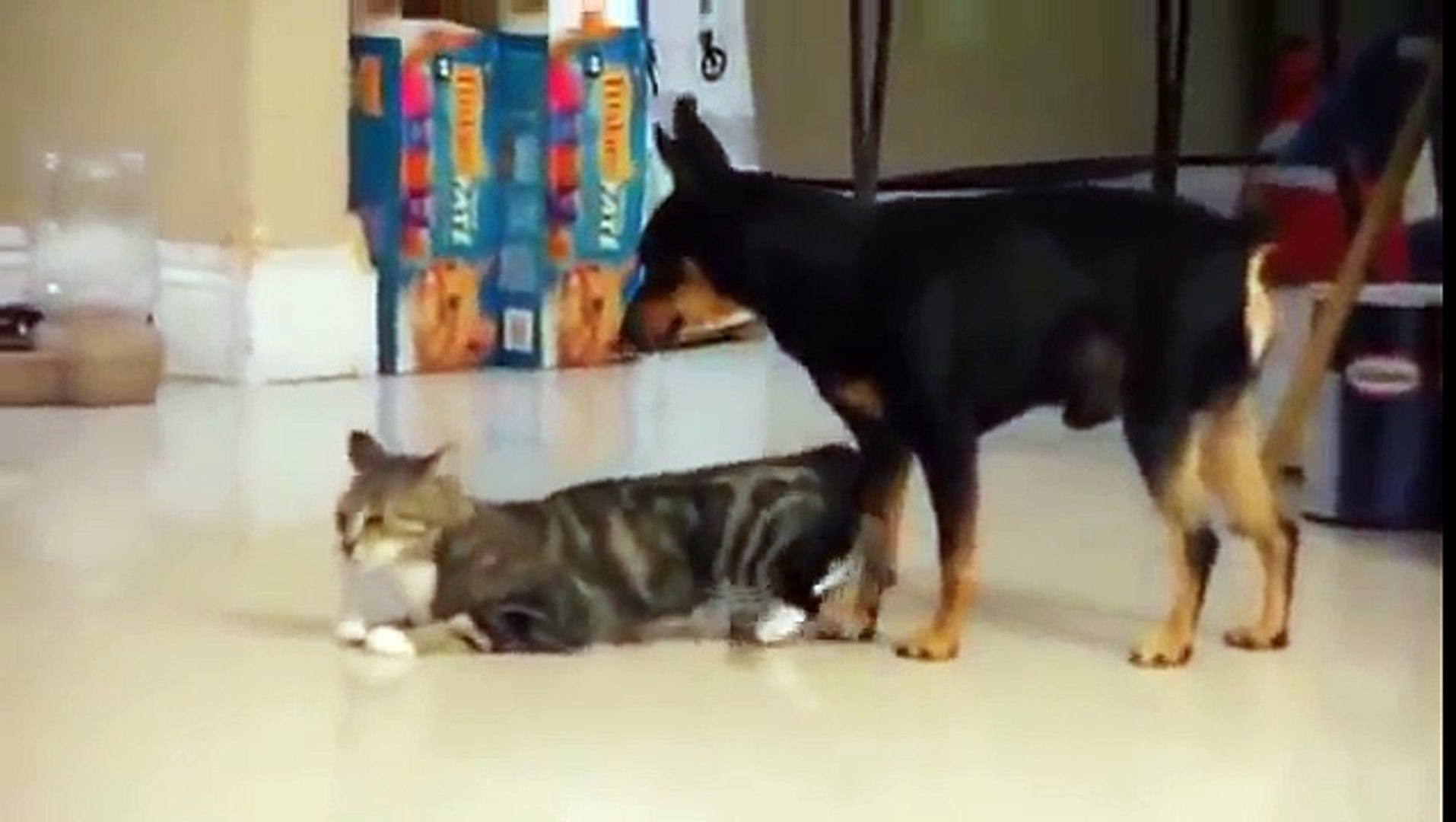
Can Dogs Mate With Cats Exploring The Possibilities
Lead: The intriguing question of whether dogs and cats can mate, exploring the possibilities, has long captivated the public imagination, often fueled by viral content and anecdotal myths. This article delves into the scientific realities behind this widespread query, examining the biological barriers that define interspecies reproduction and offering a clear, fact-based perspective on a topic frequently misunderstood. Readers will gain a comprehensive understanding of genetic compatibility, the intricate mechanisms of evolution, and why certain cross-species pairings remain firmly in the realm of fiction.
What Is Can Dogs Mate with Cats
The phrase "can dogs mate with cats exploring the possibilities" centers on a fundamental biological inquiry: the potential for two distinct species, Canis familiaris (dogs) and Felis catus (cats), to successfully reproduce. At its core, this exploration investigates the genetic and physiological factors that either enable or prevent such a pairing from resulting in viable offspring. It's a question rooted in basic biology and genetics, often surfacing due to the close cohabitation of these popular pets in human environments.
- Species Definition: Dogs and cats belong to entirely different taxonomic familiesCanidae and Felidae, respectively.
- Genetic Incompatibility: They possess different numbers of chromosomes (dogs have 78 chromosomes, cats have 38), which makes successful fertilization and embryonic development impossible.
- Reproductive Barriers: Even if mating behaviors were observed, the fundamental biological differences in reproductive organs and cellular structures prevent the successful fusion of gametes.
Why Can Dogs Mate with Cats
The persistent fascination with "can dogs mate with cats exploring the possibilities" stems from several cultural and social factors. The close, often endearing, relationships between dogs and cats in shared households sometimes lead pet owners to wonder about the extent of their animals' interspecies interactions. Furthermore, the internet has played a significant role, with viral videos and humorous memes often depicting unusual animal friendships or behaviors, inadvertently fueling misconceptions about reproductive compatibility. This curiosity also taps into a broader human interest in hybrid creatures and the boundaries of nature, a theme frequently explored in folklore and popular culture.
Dates, Locations, or Key Details
While "can dogs mate with cats exploring the possibilities" doesn't relate to a specific event, its discussion often arises in contexts where scientific literacy intersects with popular culture. Discussions frequently emerge in online forums, social media platforms, and educational settings focusing on biology and zoology. Key details in understanding this topic include fundamental biological principles established through centuries of scientific study:
- Linnaean Taxonomy (18th Century): Established the hierarchical classification system that clearly separates dogs and cats into different families, orders, and species.
- Discovery of Chromosomes (late 19th/early 20th Century): Detailed understanding of genetic material provided the definitive explanation for why species with differing chromosome counts cannot produce fertile offspring.
- Modern Genetics (20th and 21st Centuries): Advanced genetic sequencing and molecular biology have solidified the understanding of species-specific DNA and reproductive mechanisms, leaving no scientific ambiguity regarding the impossibility of dog-cat hybrids.
This enduring question serves as a recurring point of interest in pet care guides and science education, acting as a perennial example of basic biological facts.
How To Get Involved or Access Can Dogs Mate with Cats
For individuals interested in understanding the scientific realities surrounding "can dogs mate with cats exploring the possibilities," engagement primarily involves seeking out credible scientific and veterinary resources. This topic is not about active participation in a phenomenon but rather about informed learning and dispelling common myths. Heres how to access reliable information:
- Consult Veterinary Professionals: Veterinarians are excellent sources for accurate information on animal biology, reproduction, and pet care.
- Explore Scientific Journals and Publications: Access peer-reviewed articles on genetics, zoology, and reproductive biology through academic databases or university libraries.
- Utilize Reputable Educational Websites: Organizations like National Geographic, Smithsonian, and university outreach programs often provide accessible explanations of complex biological topics.
- Read Comprehensive Pet Care Guides: Many authoritative books and online guides dedicated to dog and cat care will address common misconceptions about interspecies mating.
What To Expect
- The consensus from the scientific community is unequivocal: dogs and cats cannot produce offspring.
- Understanding the biological reasons clarifies fundamental principles of genetics and species differentiation.
- Exploring the topic enhances scientific literacy and helps distinguish scientific fact from popular folklore.
The Broader Impact of Can Dogs Mate with Cats
While seemingly a simple biological query, "can dogs mate with cats exploring the possibilities" has a broader impact on public understanding of science, responsible pet ownership, and even the cultural narrative surrounding animals. Correcting this misconception reinforces the importance of scientific fact-checking in an age of abundant online information. It encourages a deeper appreciation for the distinct evolutionary paths of different species and the incredible diversity of life on Earth. Furthermore, understanding species boundaries is crucial for discussions around conservation, biodiversity, and the ethical considerations of genetic manipulation.
The consistent interest in dog-cat hybrids underscores a universal human fascination with novelty and the breaking of perceived barriers. However, from a biological standpoint, the genetic divergence between Canidae and Felidae is simply too vast for successful reproduction. Its a clear example of how fundamental biological rules govern life.
Economic or Social Insights
The sustained interest in questions like "can dogs mate with cats exploring the possibilities" points to a social need for accessible science education. While there's no direct economic impact from the biological impossibility itself, the market for pet-related content, including informative articles and educational videos that address such topics, remains robust. Reputable pet care brands and veterinary associations invest in content that promotes scientific accuracy, helping to build trust and educate pet owners. Socially, the persistence of such myths highlights areas where public science literacy can be strengthened, enabling individuals to better understand the natural world and make informed decisions about pet care and wildlife conservation. This reflects broader trends noted by publications like Scientific American and Popular Science, which frequently tackle widespread scientific misconceptions.
Frequently Asked Questions About Can Dogs Mate with Cats
- What is can dogs mate with cats exploring the possibilities? This refers to the scientific inquiry into whether dogs (Canis familiaris) and cats (Felis catus), distinct species, possess the biological compatibility to successfully mate and produce viable offspring. The exploration focuses on understanding the underlying genetic and physiological barriers.
- Why is can dogs mate with cats exploring the possibilities popular? The popularity stems from the common cohabitation of dogs and cats as pets, leading to anecdotal observations and curiosity. Additionally, internet culture, with its viral content and memes, often amplifies humorous or intriguing animal behaviors, contributing to the persistent questioning of biological impossibilities.
- How can people participate or experience it? Participation involves engaging with scientific information and educational resources to understand the biological reasons why dogs and cats cannot mate. This includes consulting veterinarians, reading scientific publications, and utilizing reputable educational platforms to gain accurate knowledge.
- Is it legitimate or official? The question itself is a legitimate scientific inquiry, even if the answer is definitively negative. The scientific explanationthat dogs and cats are genetically incompatible due to different chromosome numbers and reproductive biologyis official and universally accepted within the biological community.
- What can attendees or users expect? Those exploring this topic can expect to learn fundamental principles of genetics, species classification, and reproductive biology. The main takeaway is a clear understanding that while dogs and cats can coexist and even form bonds, their biological differences prevent them from interbreeding.
Conclusion
The enduring question "can dogs mate with cats exploring the possibilities" serves as a potent reminder of the clear, yet often misunderstood, boundaries within the natural world. While the concept of a "dog-cat hybrid" captures the imagination, scientific inquiry firmly establishes the biological impossibility due to fundamental genetic and physiological incompatibilities. Understanding this provides valuable insight into the intricacies of evolution and species differentiation, reinforcing the importance of relying on verified scientific information over folklore or viral anecdotes.
Call to Action: For more insights into animal biology and responsible pet care, readers are encouraged to consult resources from reputable veterinary associations, academic institutions, and science education platforms to deepen their understanding of the natural world.