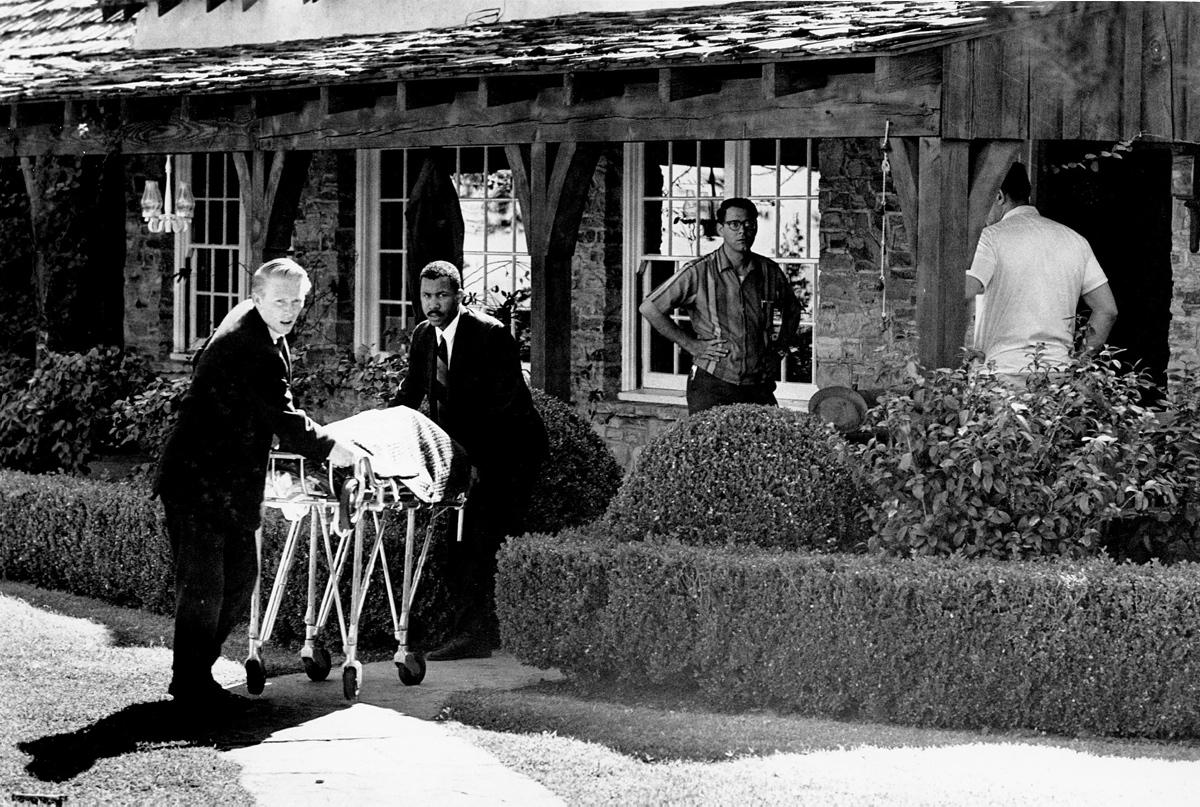
Sharon Tate Crime Exploring The Tragic Story
Lead: The mention of Sharon Tate's name invariably conjures images of Hollywood glamour tragically cut short, forever linked to one of America's most infamous crime sprees. This article delves into the Sharon Tate crime, exploring the tragic story that captivated and horrified a nation, leaving an indelible mark on cultural memory. Readers will gain insight into the events leading up to the murders, their profound impact, and the sustained public fascination with the case, offering a comprehensive look at a historical moment that continues to resonate.
What Is Sharon Tate Crime
The core topic refers to the brutal murders committed by followers of Charles Manson in August 1969, primarily focusing on the slaying of actress Sharon Tate and four others at her Benedict Canyon home in Los Angeles. This horrific incident transcended a typical crime, becoming a cultural touchstone that symbolized the end of the 1960s' idealism and ushered in an era of heightened fear and cynicism. Key aspects include:
- The victims: Sharon Tate, Jay Sebring, Abigail Folger, Wojciech Frykowski, and Steven Parent.
- The perpetrators: Members of the "Manson Family," instructed by Charles Manson.
- The motive: A twisted ideology of racial war and chaotic "Helter Skelter."
- The setting: The seemingly idyllic Hollywood Hills, shattered by unimaginable violence.
Why Sharon Tate Crime
While a historical event, the Sharon Tate crime exploring the tragic story maintains a persistent presence in public consciousness and frequently re-enters popular discourse for several reasons. The enduring fascination with true crime narratives consistently draws new audiences to the case, often fueled by documentary series, podcasts, and fictionalized portrayals. Anniversaries of the murders, milestones related to the Manson Family members, and the release of new evidentiary analyses or perspectives keep the story in circulation. Furthermore, the crimes profound impact on Hollywood and American counterculture provides a continuous lens for historical and sociological examination, cementing its place as a perpetually "trending" topic in the study of American history and crime.
Dates, Locations, or Key Details
The tragic events central to the Sharon Tate crime unfolded over two nights in August 1969. The initial murders occurred on August 9, 1969, at 10050 Cielo Drive in Benedict Canyon, Los Angeles, the home shared by Sharon Tate and her husband, film director Roman Polanski. Polanski was out of the country at the time. The victims were Sharon Tate, who was eight-and-a-half months pregnant; celebrity hairstylist Jay Sebring; coffee heiress Abigail Folger; her boyfriend, Wojciech Frykowski; and Steven Parent, a young visitor leaving the property. The following night, August 10, 1969, the Manson Family committed another set of murders, claiming the lives of Leno and Rosemary LaBianca at their home in Los Feliz. Charles Manson, the charismatic leader, orchestrated these crimes, sending his followersprimarily Tex Watson, Susan Atkins, Patricia Krenwinkel, and Leslie Van Houtento carry out the heinous acts. These dates and locations are central to understanding the timeline and geographical scope of the horrifying rampage.
How To Understand or Access Information on Sharon Tate Crime
For those seeking to delve deeper into the Sharon Tate crime and its tragic story, various reputable resources are available:
- Read Comprehensive Books: Works like Vincent Bugliosi's "Helter Skelter" (the prosecuting attorney's account) offer meticulous details on the investigation and trial. Other authors have provided historical context and victim perspectives.
- Watch Documentaries: Numerous documentaries, often featured on platforms like HBO, Netflix, or national broadcast networks, explore the case through archival footage, interviews, and expert analysis.
- Visit Historical Archives: Libraries and historical societies, particularly in Los Angeles, may house primary source materials related to the event and its aftermath.
- Engage with Reputable True Crime Journalism: Major news outlets and investigative journalism platforms often publish anniversary pieces or in-depth reports that revisit the case with updated insights.
- Attend Relevant Lectures or Panels: Academic institutions or true crime conventions occasionally host discussions or presentations by experts on the Manson Family murders.
What To Expect
- An unflinching look at the brutality and senselessness of the crimes committed by the Manson Family.
- Detailed accounts of the victims, their lives, and the devastating impact on their families and friends.
- Exploration of the cultural anxieties of the late 1960s that the murders seemed to encapsulate and amplify.
- Insights into the meticulous police investigation and the subsequent high-profile trials that captured national attention.
The Broader Impact of Sharon Tate Crime
The Sharon Tate crime exploring the tragic story sent shockwaves far beyond Hollywood, profoundly influencing American culture and society. It became a stark symbol of the loss of innocence for the counterculture movement, dissolving the carefree spirit of the 1960s into an era of paranoia and suspicion. In entertainment, the tragedy spurred discussions about celebrity safety and the darker side of fame. For the true crime genre, it set a benchmark for public fascination with sensational, psychologically complex cases, cementing its status as a perennial subject of books, films, and documentaries. Its legacy continues to shape narratives around cults, criminality, and the psychological underpinnings of extreme violence, influencing creators and academics alike. The enduring resonance demonstrates its indelible mark on the collective consciousness, reflecting societal fears and the persistent human attempt to understand the incomprehensible.
The Manson murders didn't just end the Sixties; they killed the idea that utopia was possible. It was a wake-up call to the darker potential of human nature, a chilling reminder that evil could lurk in plain sight.
Economic or Social Insights
The enduring public interest in the Sharon Tate crime has fostered a niche economy within the true crime industry. Books, documentaries, podcasts, and articles dissecting the case continue to generate significant revenue for authors, producers, and media outlets. This reflects a broader societal fascination with true crime, which has grown into a multi-billion-dollar industry, as reported by outlets like Business Insider and Variety. Socially, the case catalyzed a heightened awareness of home security, cult phenomena, and the psychological vulnerabilities that can lead individuals to participate in extreme acts. It also spurred ongoing discussions about the American justice system, the nature of celebrity, and the fragile line between societal order and chaos. The events surrounding the Sharon Tate crime continue to serve as a cautionary tale and a subject of intense academic and public scrutiny, highlighting shifts in cultural values and security perceptions.
Frequently Asked Questions About Sharon Tate Crime
- What is sharon tate crime exploring the tragic story? This refers to the series of brutal murders committed by the Manson Family in August 1969, with a primary focus on the slaying of actress Sharon Tate and four others at her Los Angeles home. It encompasses the horrific events, the investigation, the trials, and the profound cultural impact of the tragedy.
- Why is sharon tate crime exploring the tragic story popular? Its enduring popularity stems from its sensational nature, the celebrity status of its victims, the shocking ideology of the perpetrators, and its symbolic significance as an end to the "Summer of Love" era. The case continues to fascinate audiences interested in true crime, cults, and American history.
- How can people participate or experience it? "Participate" in this context means engaging with the historical narrative responsibly. Individuals can read authoritative books, watch well-researched documentaries, listen to reputable podcasts, or explore journalistic archives that document the crime and its aftermath.
- Is it legitimate or official? The events themselves are historical and extensively documented through police records, court transcripts, and journalistic reporting. Accounts of the crime are legitimate, provided they come from verified and credible sources. The narratives often aim to present a factual and objective understanding of the tragedy.
- What can attendees or users expect? Those engaging with the content can expect a detailed and often disturbing recount of the crimes, a deep dive into the lives of the victims and perpetrators, and an analysis of the psychological and cultural ramifications. It offers insights into a pivotal moment in American history and criminal justice.
Conclusion
The Sharon Tate crime, exploring the tragic story that unfolded in the summer of 1969, remains a compelling and chilling chapter in American history. More than just a crime, it became a cultural turning point, forever altering perceptions of safety, celebrity, and the darker currents beneath society's surface. Its continued relevance in media, academic study, and public discourse underscores its profound and lasting impact. Understanding this tragedy offers crucial insights into a pivotal moment that continues to shape discussions around true crime, cult phenomena, and the enduring quest for justice and meaning in the face of senseless violence.
Call to Action: To gain a deeper understanding of this complex historical event, readers are encouraged to seek out reputable books like "Helter Skelter," watch acclaimed documentaries on major streaming platforms, or explore archival news reports from established journalistic institutions for accurate and comprehensive information.